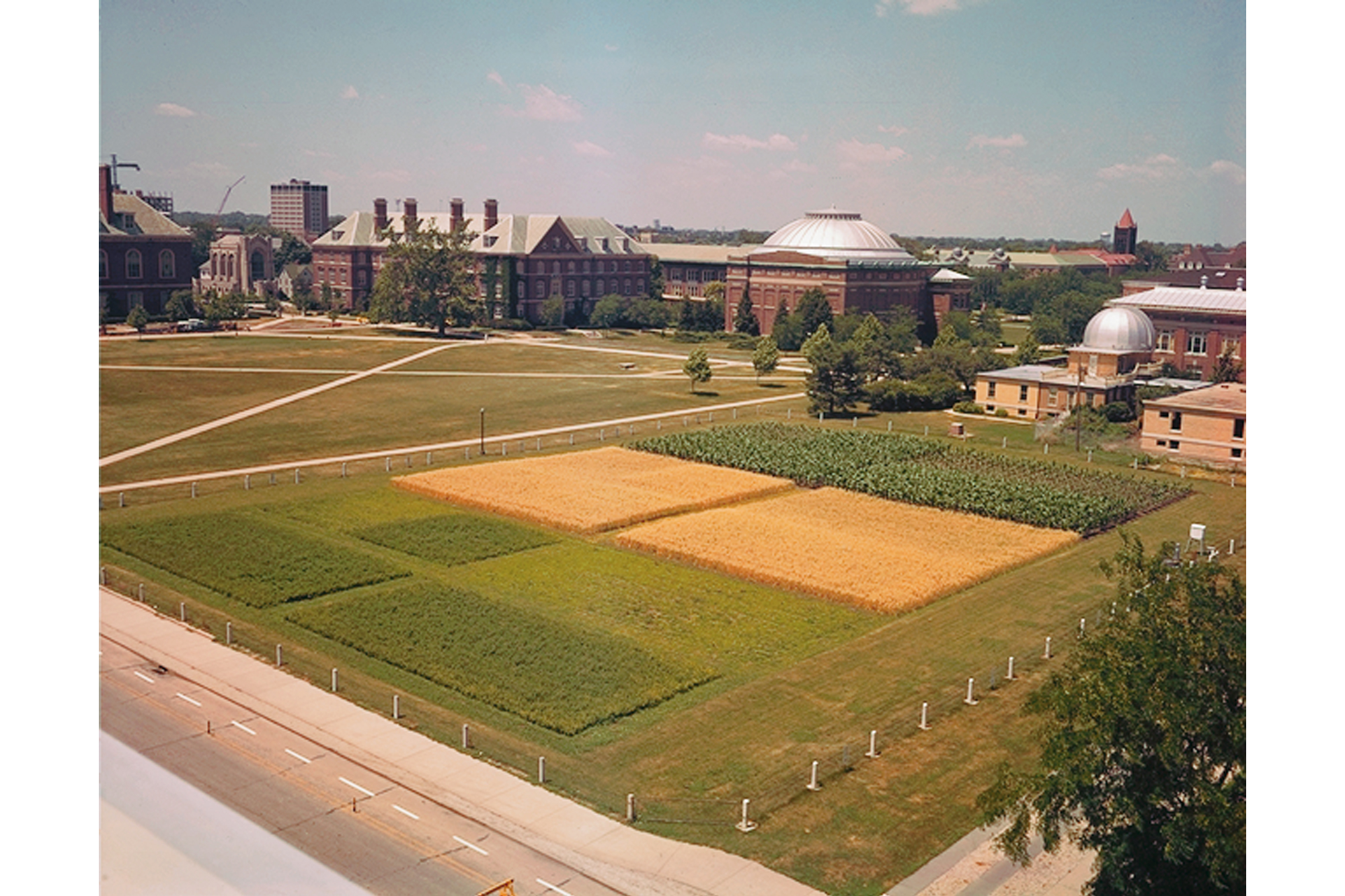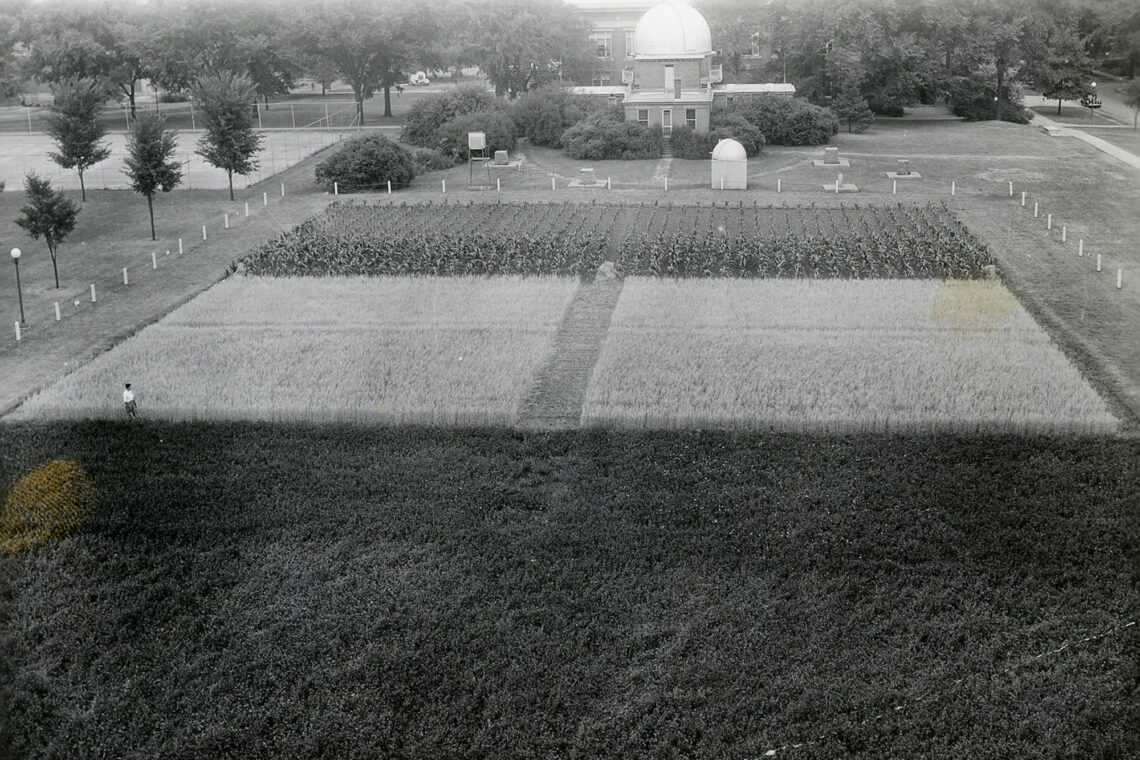
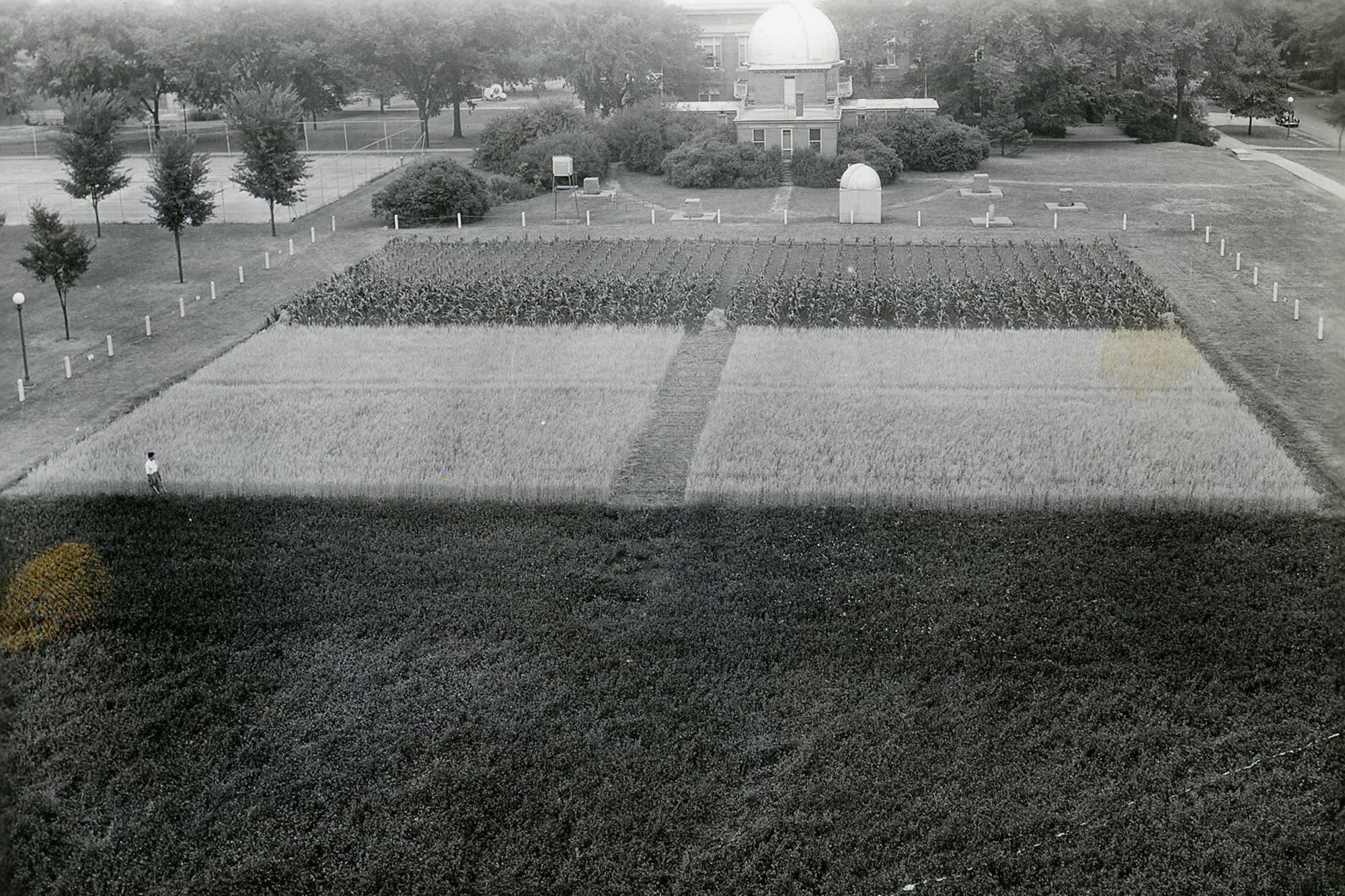
CHAMPAIGN, Ill. — The historic Morrow Plots on the University of Illinois Urbana-Champaign campus have provided a site for agricultural research and experimentation for 150 years. It is the longest-running agricultural experiment in the U.S. and the second-longest in the world, and the University Archives holds records that show that scientific history.
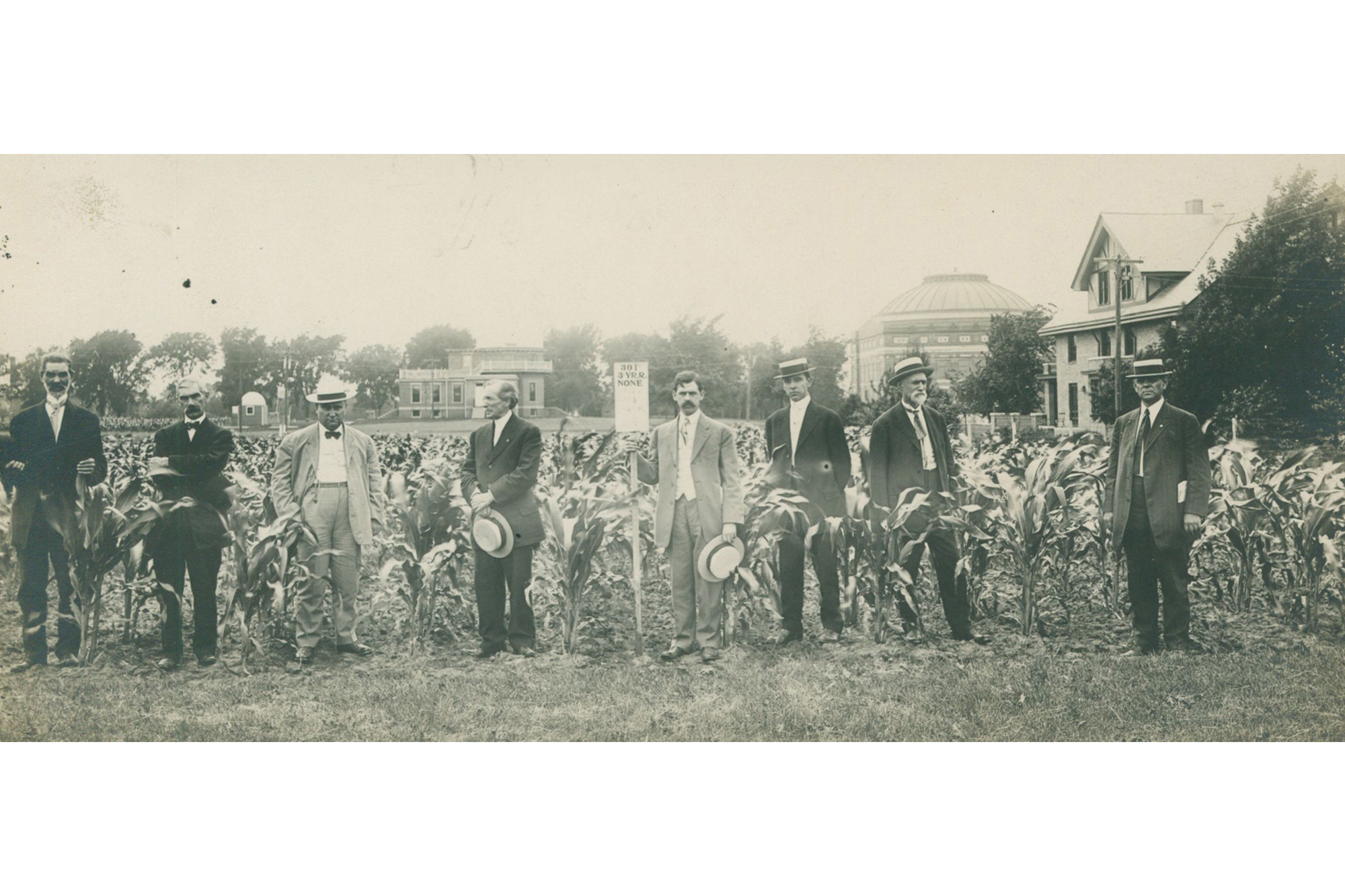
The Archives is hosting a special exhibit highlighting the history and impact of the Morrow Plots as part of its sesquicentennial anniversary celebration. “’These Plots Are Older Than We Are’: Celebrating the 150th Anniversary of the Morrow Plots” opens Oct. 2 in Room 220, Main Library, and will be on view throughout the month of October.
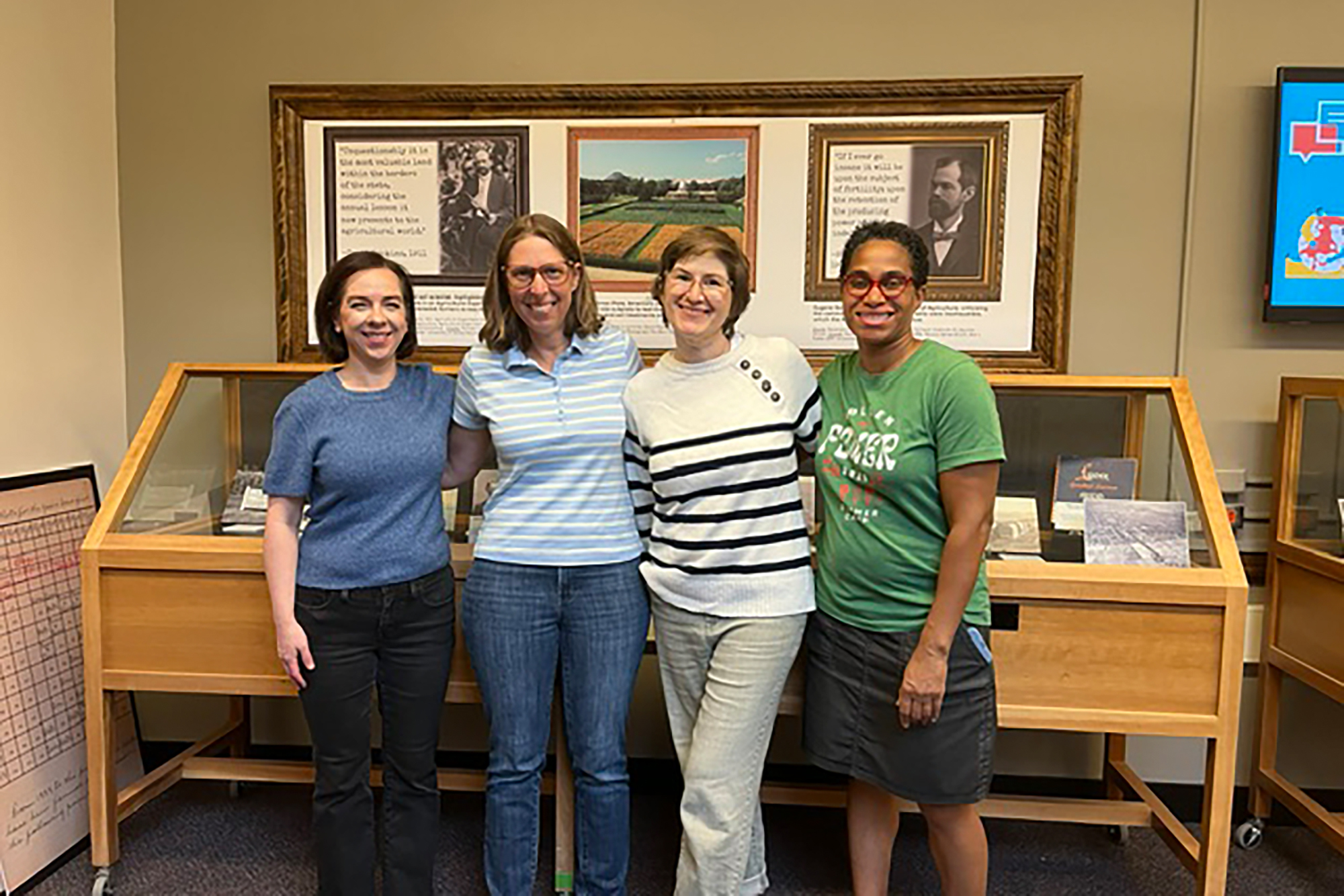
“The archival records we have illustrate the scientific and historical significance of the Morrow Plots,” said Bethany Anderson, the natural and applied sciences archivist for the University Archives. “The plots began as a scientific experiment in 1876 but became so much more over the next 150 years.”
Anderson co-curated the exhibit with research data service librarian Sandi Caldrone, Funk ACES Library public services and engagement librarian Janis Shearer and head of the Funk ACES Library Sarah C. Williams.
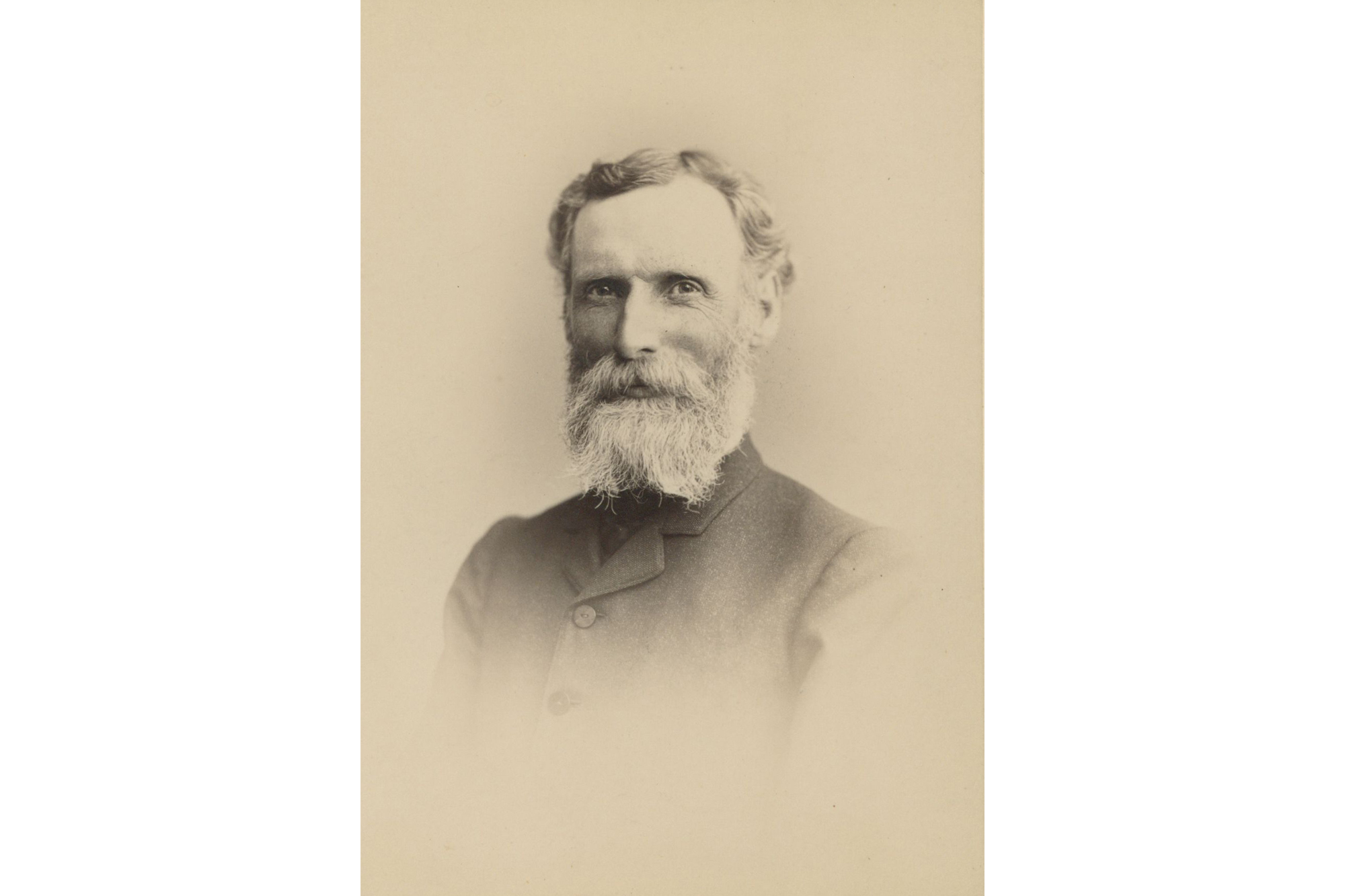
The materials in the Archives relating to the Morrow Plots include scientific data from 1876 to today that document the careful recordkeeping of the scientists who worked on the experiment over time. One of the most important items, Anderson said, is the Morrow Plots Notebook, containing information from 1876 to 1913 about what crops were planted in specific plots, what fertilizers were used, farming processes, soil health and composition, drawings of tile drainage and yield data. A July 1897 entry describes a storm that harmed the oats growing in the plot, so they had to be harvested in a certain way.
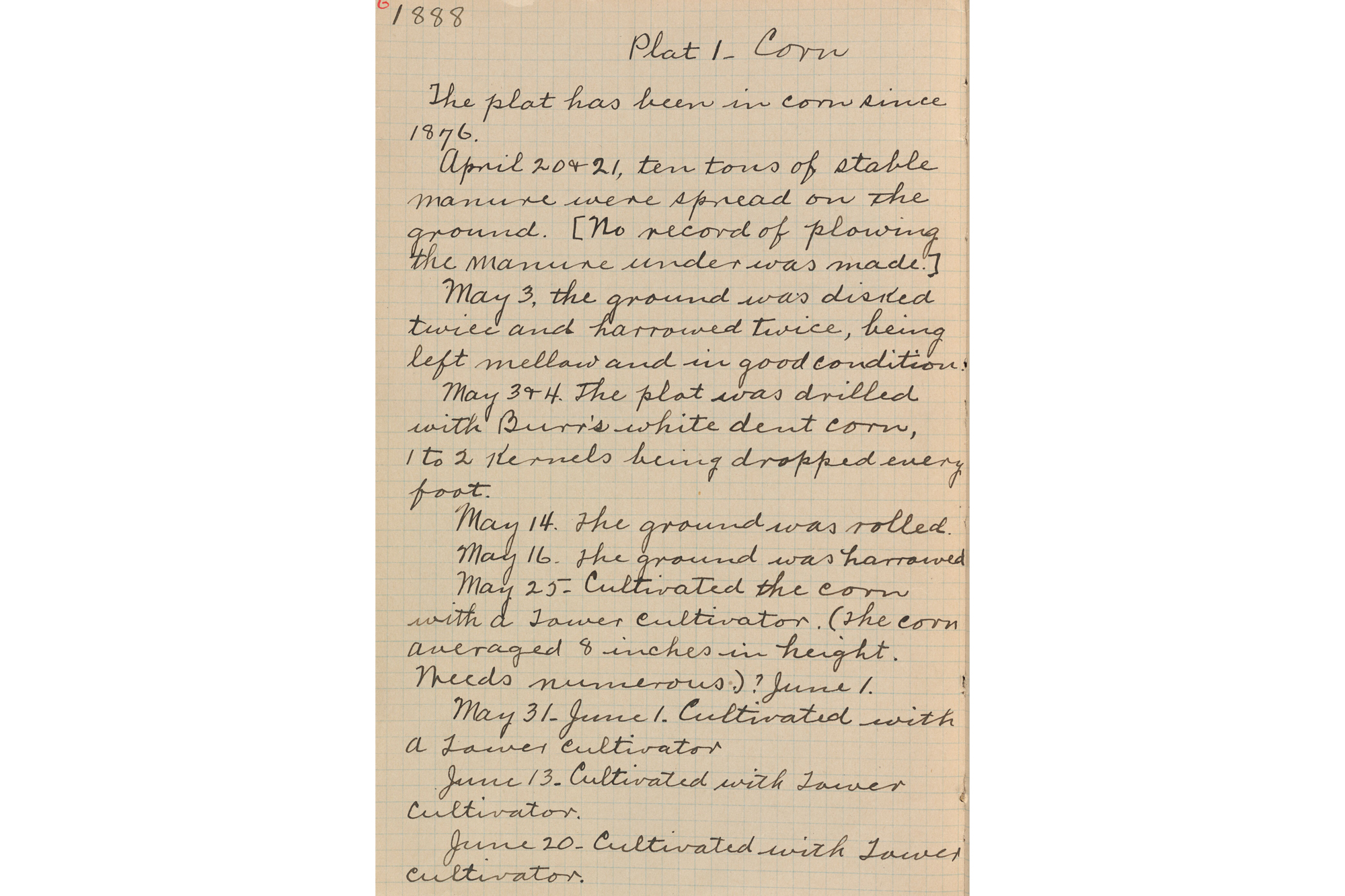
“This notebook has been a critical source for understanding early yield data, especially because of narrative descriptions the scientists added that detail different fertilizers being tested and other variables. It’s a rich source for data but also for the scientific history of the plots as an agricultural experiment,” Anderson said.
The information from scientific data and the narrative descriptions of the work can help in understanding such things as environmental changes and how new ideas regarding farming techniques have arisen, she said.
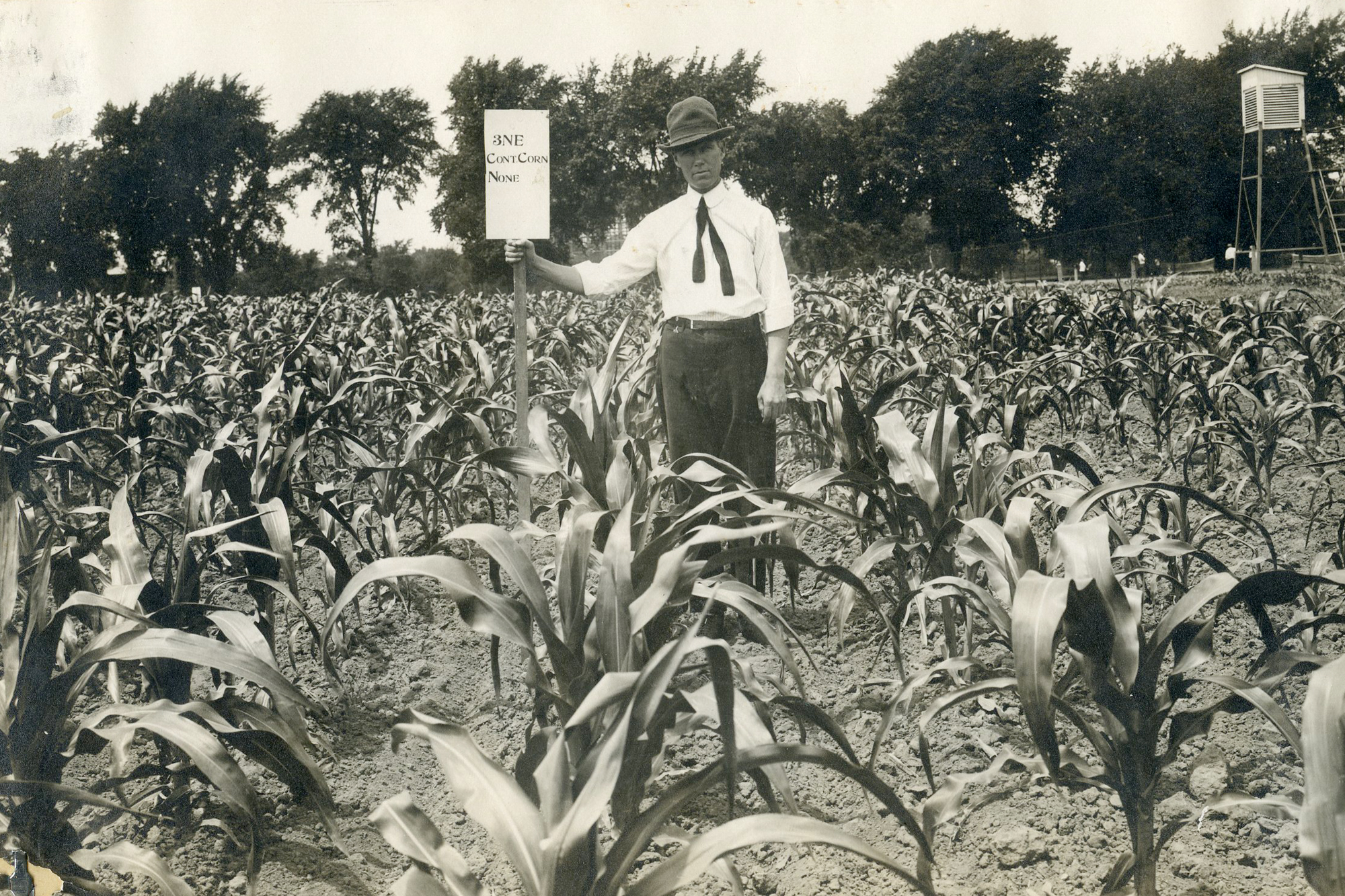
The records in the Archives also include photos, maps, newspaper clippings, correspondence from administrators and papers from scientists who worked on the plots.
“The material provides all kinds of perspectives on its history and scientific significance, from how students perceived the plots to how the administration understood its significance and promoted it,” Anderson said.
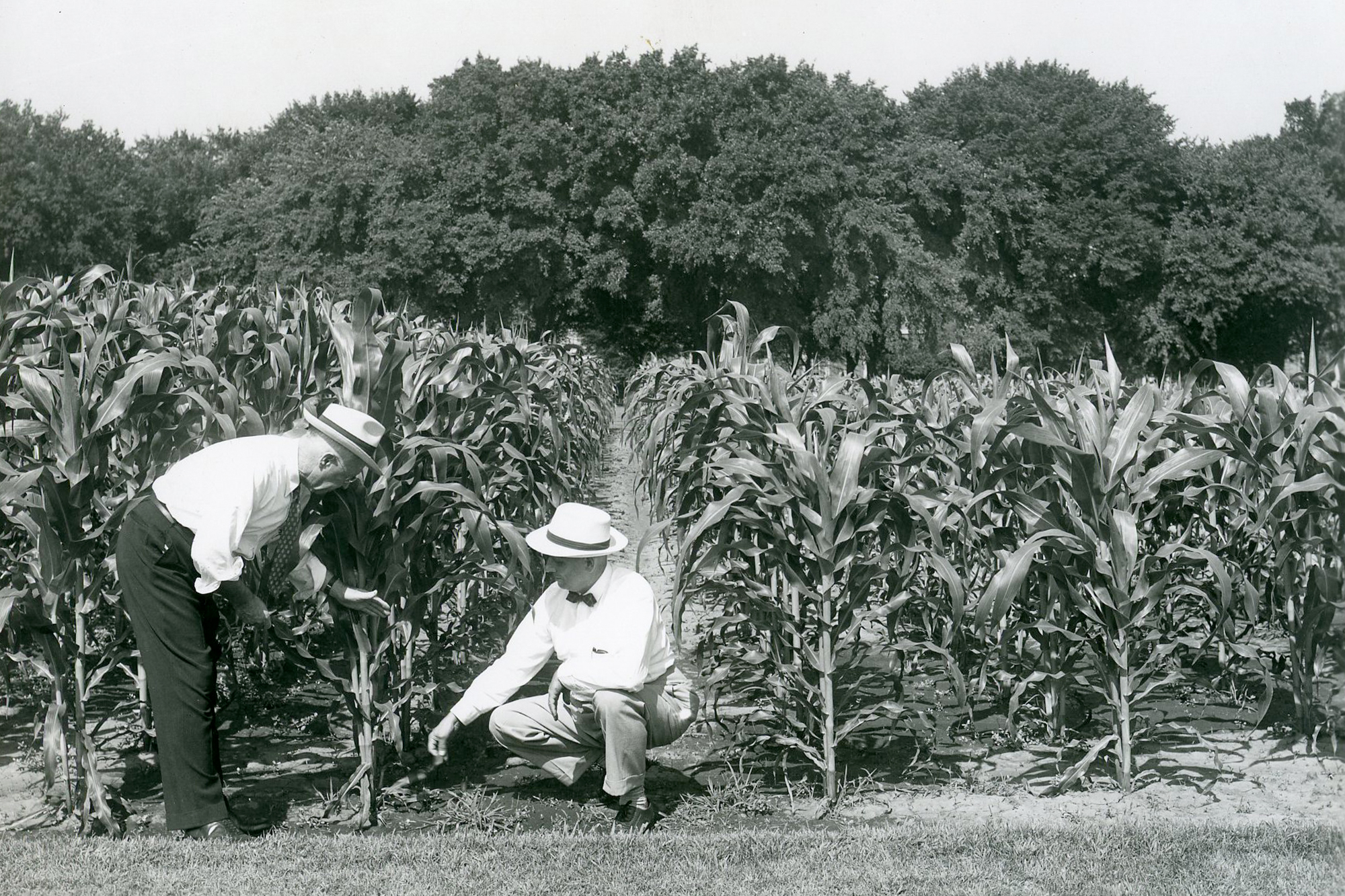
The exhibit features six cases highlighting various aspects of the history of the plots. The introduction includes the Morrow Plots Notebook, as well as some of the earliest photos of the plots. The case on records includes information about a Morrow Plots data set available in the Illinois Data Bank and R Code for analyzing the data.
Another case shows photos of the plots during harvest, including a photo of Cyril Hopkins, an agronomy professor from 1900-1919, standing next to corn being harvested. Hopkins researched corn chemistry, soil fertility and farming techniques. His faculty papers are held by the Archives.
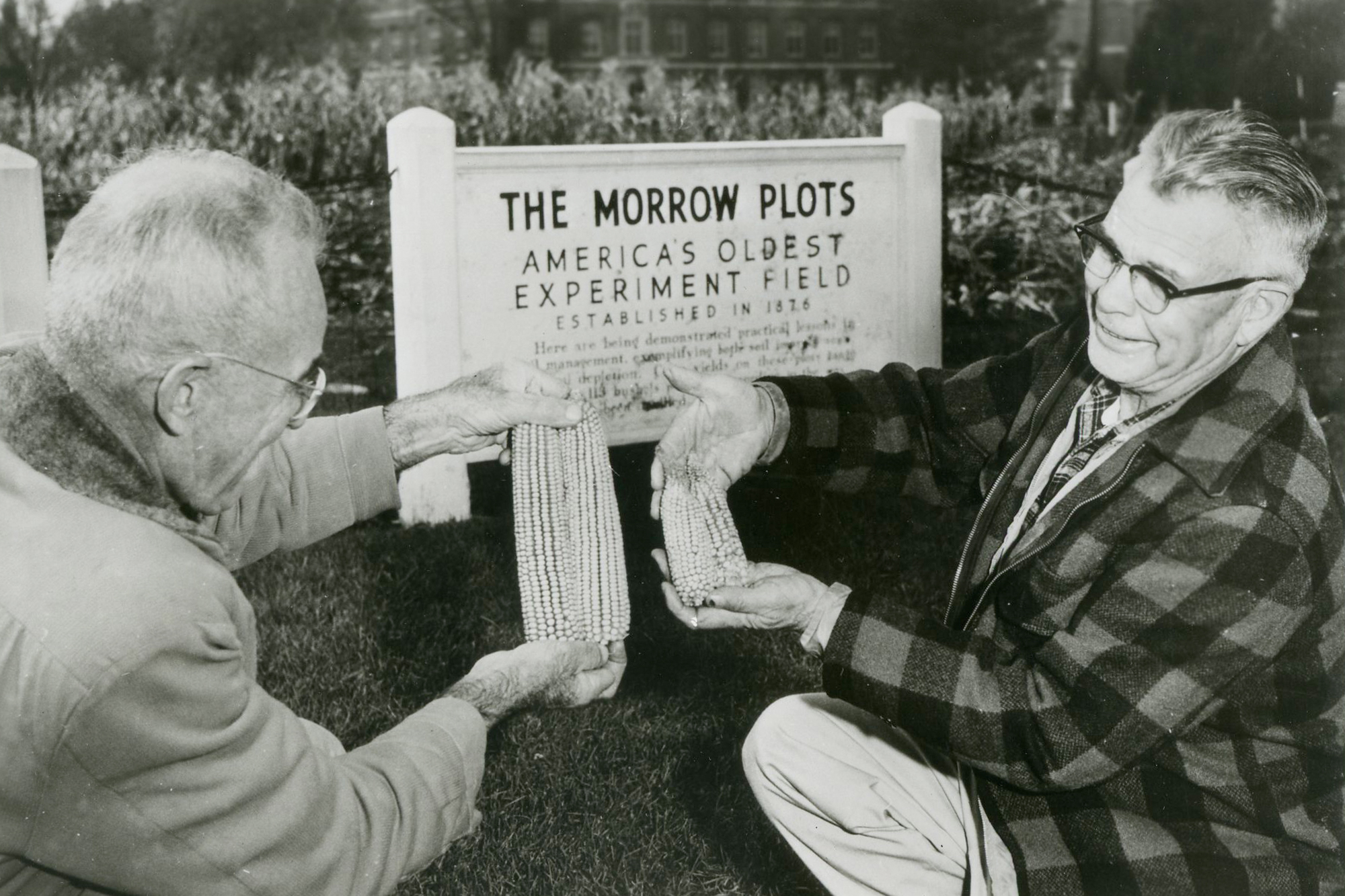
The exhibit includes aerial photos showing how the plots have changed over time; a section on the National Historic Landmark designation for the plots in 1968; and how the plots have been part of campus culture, including the site of student protests. Among the records are newspaper clippings and photos of a “Cream the Corn” protest in 1969, when students called the “Morrow Marauders” symbolically attacked the plots to protest the university’s chemical, biological warfare and military research, but caused no damage to the corn.
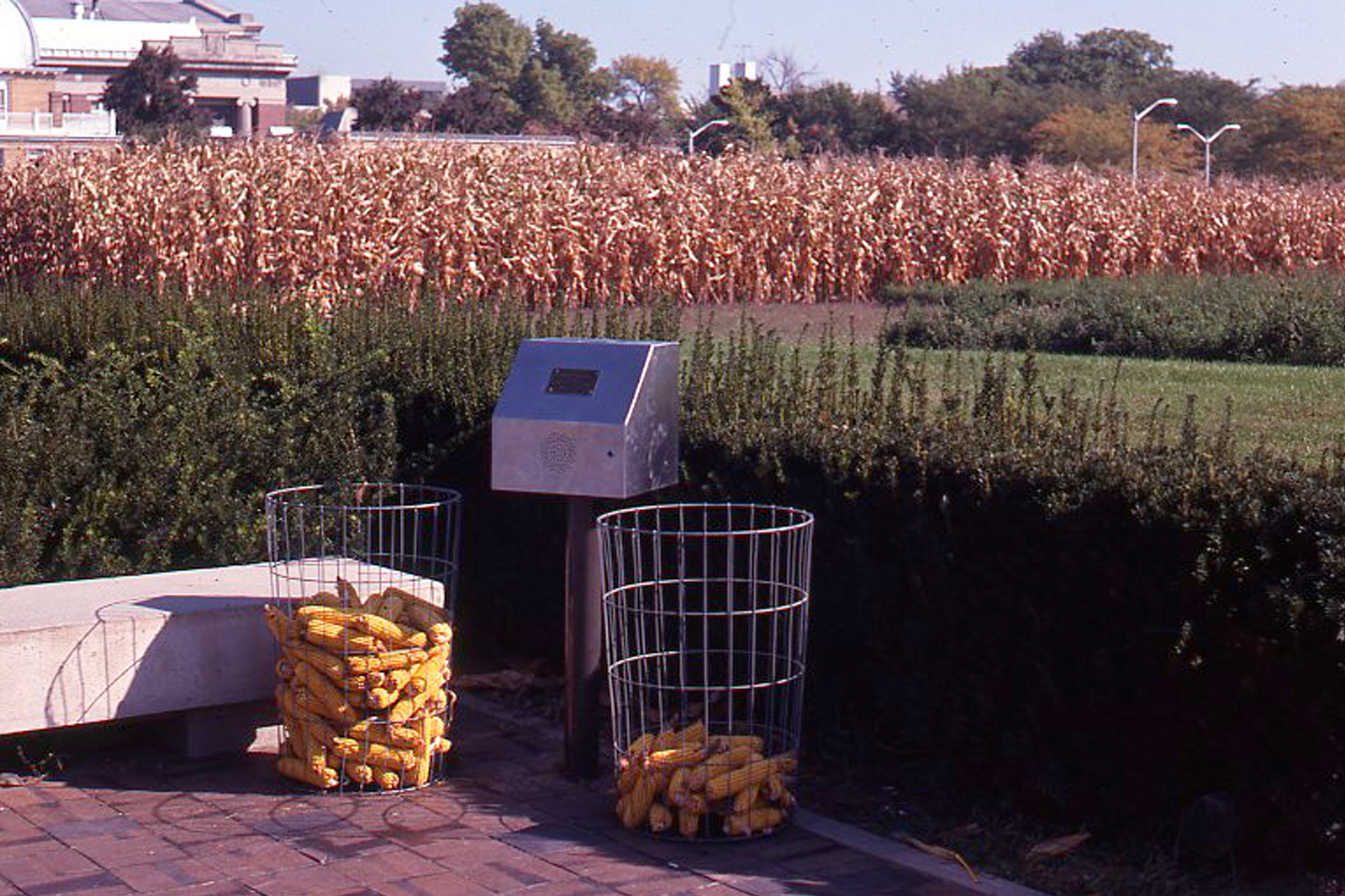
They also include materials about campus lore that grew around the plots, such as speculation of a flying saucer as the cause for crop circles in 2003, and a WILL radio sound recording from a 1947 episode of “Illini Unlimited” that features talking plots and a lively retelling of the history of the experiment.
With funding from the College of Agricultural, Consumer and Environmental Sciences, the Archives is digitizing all its holdings pertaining to the Morrow Plots. Having these records in digital form will make it easier to share historical materials with both researchers, who can integrate them into their current work, and the public at large. Researchers from around the world will be able to use these records to better understand the history of the university and its role in the advancement of agricultural science, Anderson said.
Editor’s notes: To contact Bethany Anderson, email bgandrsn@illinois.edu. More information about the Morrow Plots Archival Holdings in the University Archives is available online.