CHAMPAIGN, Ill. – The University of Illinois changed my life. More specifically, the people I met here changed my life. I arrived on the Urbana-Champaign campus in 1987 as a shy, uncertain transfer student from Milwaukee, Wisconsin. Like many young adults who are away from home for the first time, homesickness was ever-present. As a full-time student and a dual-sport athlete, however, there was little downtime and plenty to keep me busy. New friends, an increasing familiarity with the campus, homework assignments and the opportunity to travel to competitions with my coaches and teammates helped me acclimate.
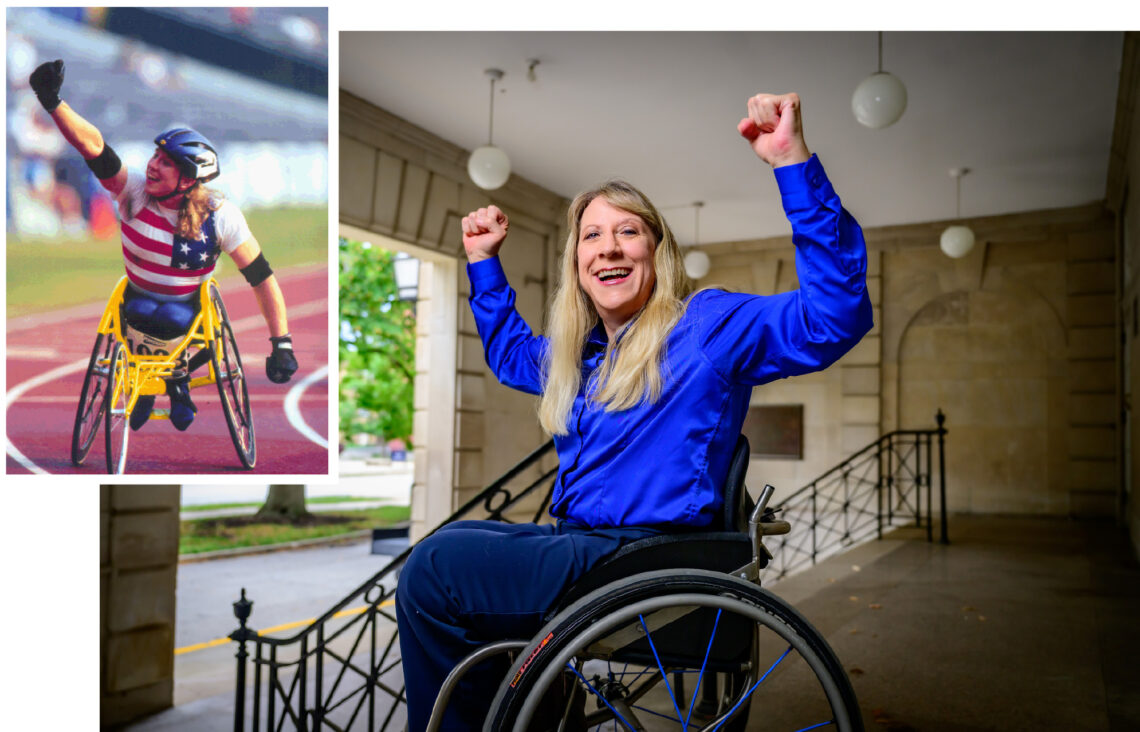
If someone would have told me all that would take place during my tenure at Illinois — or even some of it — I wouldn’t have believed them. Growing up with spina bifida, my legs were weak and although I could walk, I was slow and unsteady. Following a bike accident at the age of 14 and a year of five hip surgeries and body casts, I began using a wheelchair. How could I possibly become an eight-time Boston Marathon champion, an inductee into the U.S. Olympic & Paralympic Hall of Fame, a Lincoln Laureate and the recipient of three honorary doctorate degrees?
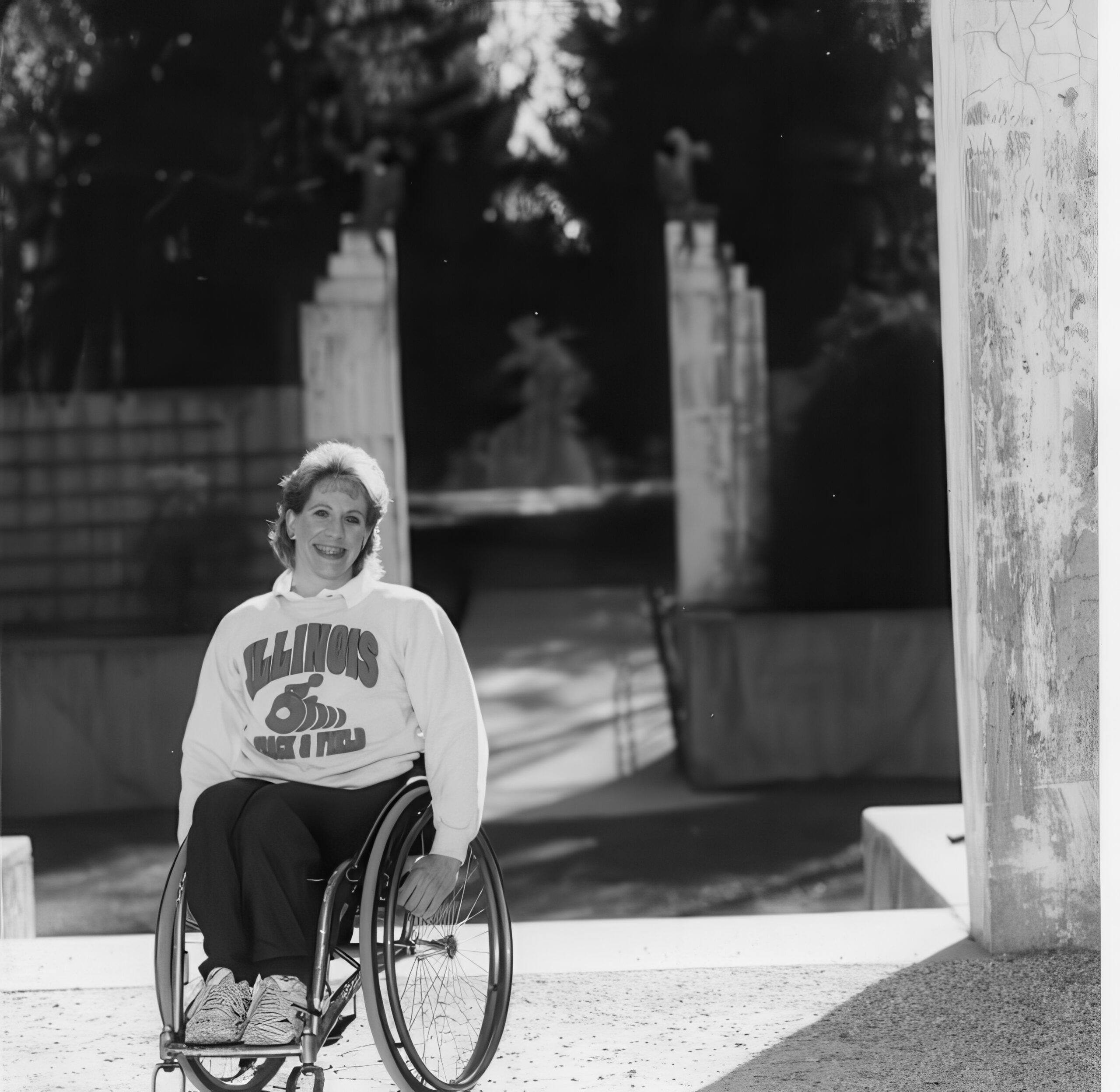
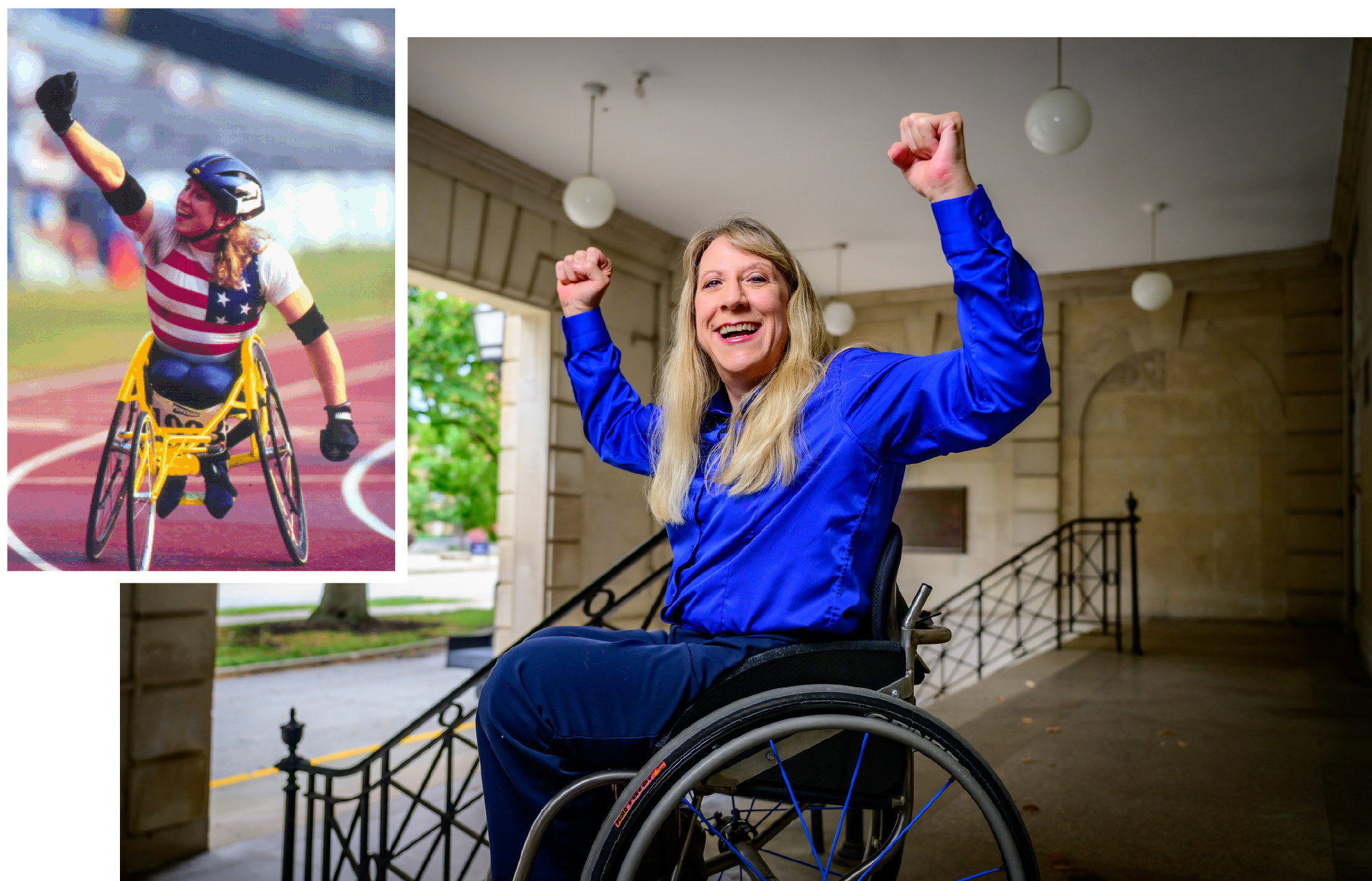
Driscoll at Allerton Park. U. of I. photo
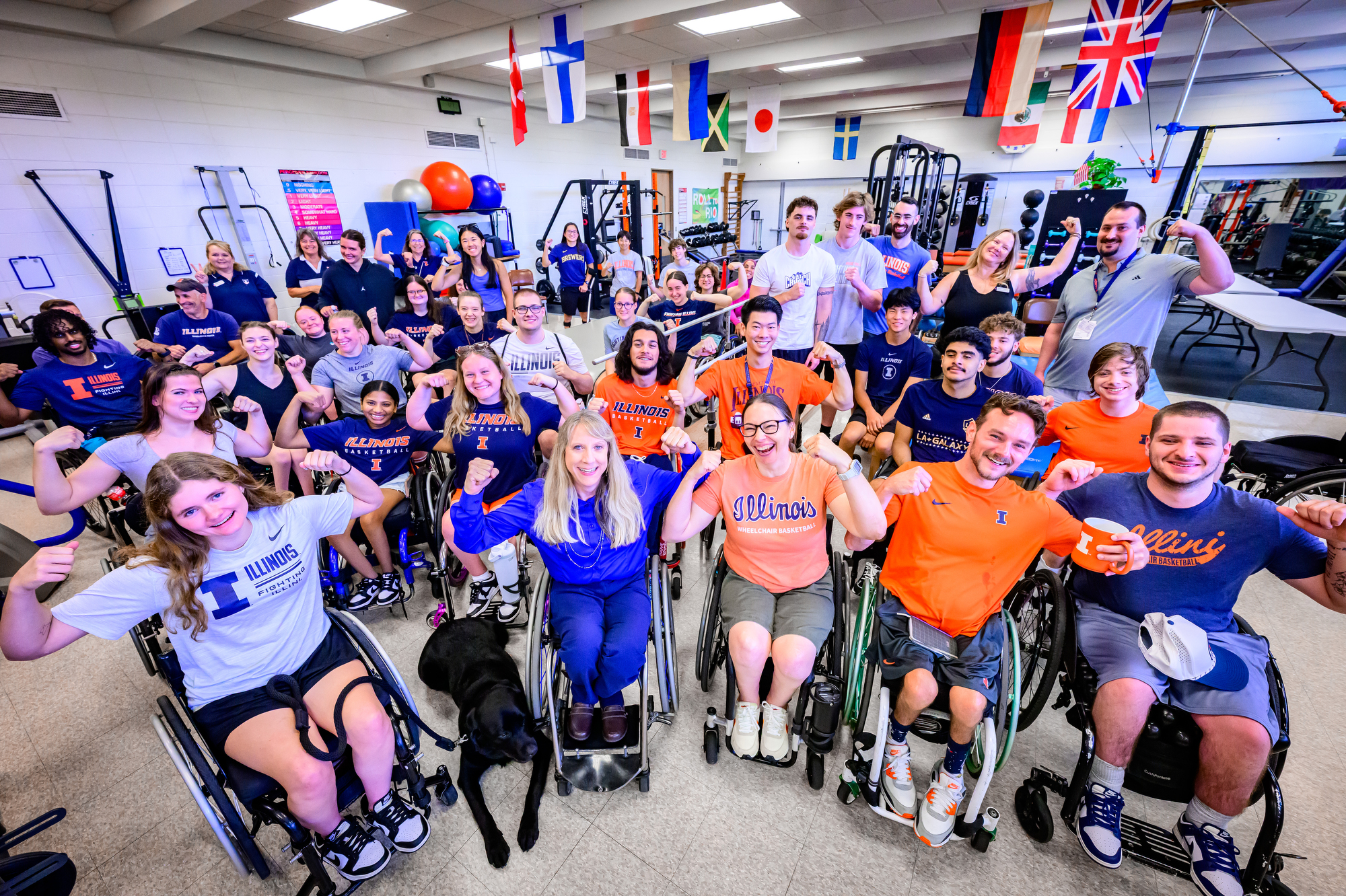
I lived in 108 Garner Hall during my first year at the U. of I. It was part of the “Six-Pack,” a group of residence halls located on the southwest side of campus. My dorm was conveniently located near Disability Resources and Educational Services, or DRES, the facility where I spent thousands of hours lifting weights, pushing on rollers (a cylindrical drum that allows wheelchair racers to push in place much like a cyclist uses a turbo-trainer), getting stretched before and after workouts and watching videos — all to become a better athlete. Garner Hall is gone, and the Six-Pack has been replaced by Ikenberry Commons. DRES remains, however, and it continues to serve students and student-athletes with disabilities since the program began in 1948.
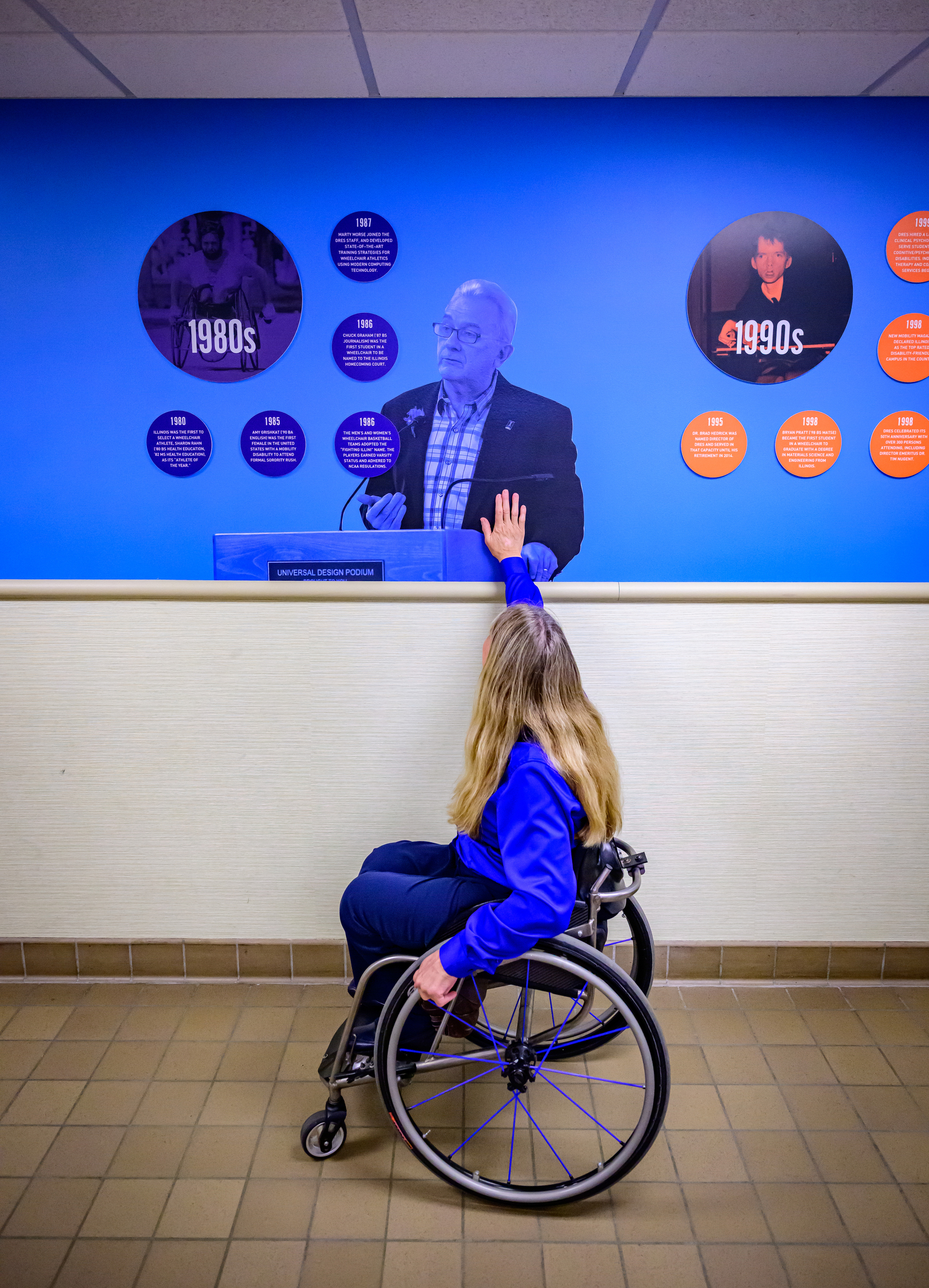
Tim Nugent was a World War II veteran who founded the first postsecondary program in the world that offered support services for students with disabilities. As a result of his advocacy and guidance, the U. of I. began providing accommodations for students with disabilities — namely wounded WWII veterans — 40-plus years before the Americans with Disabilities Act became a law in 1990. I was unaware of this history when I first attended the U. of I., but Nugent used to share stories from those early years during banquets and awards ceremonies. There were many “firsts” as a result of his work, and his legacy will continue to make life better for all.
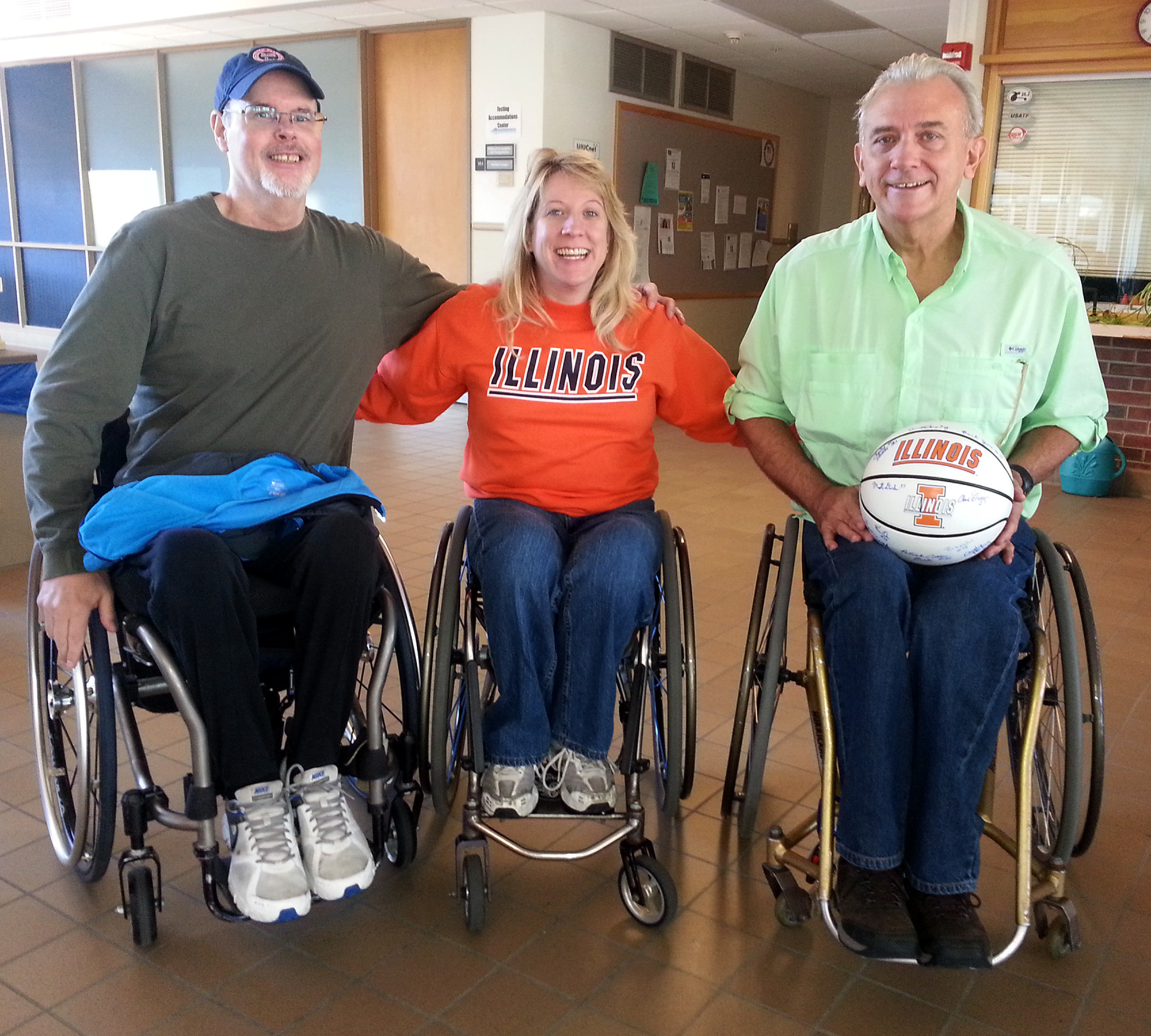
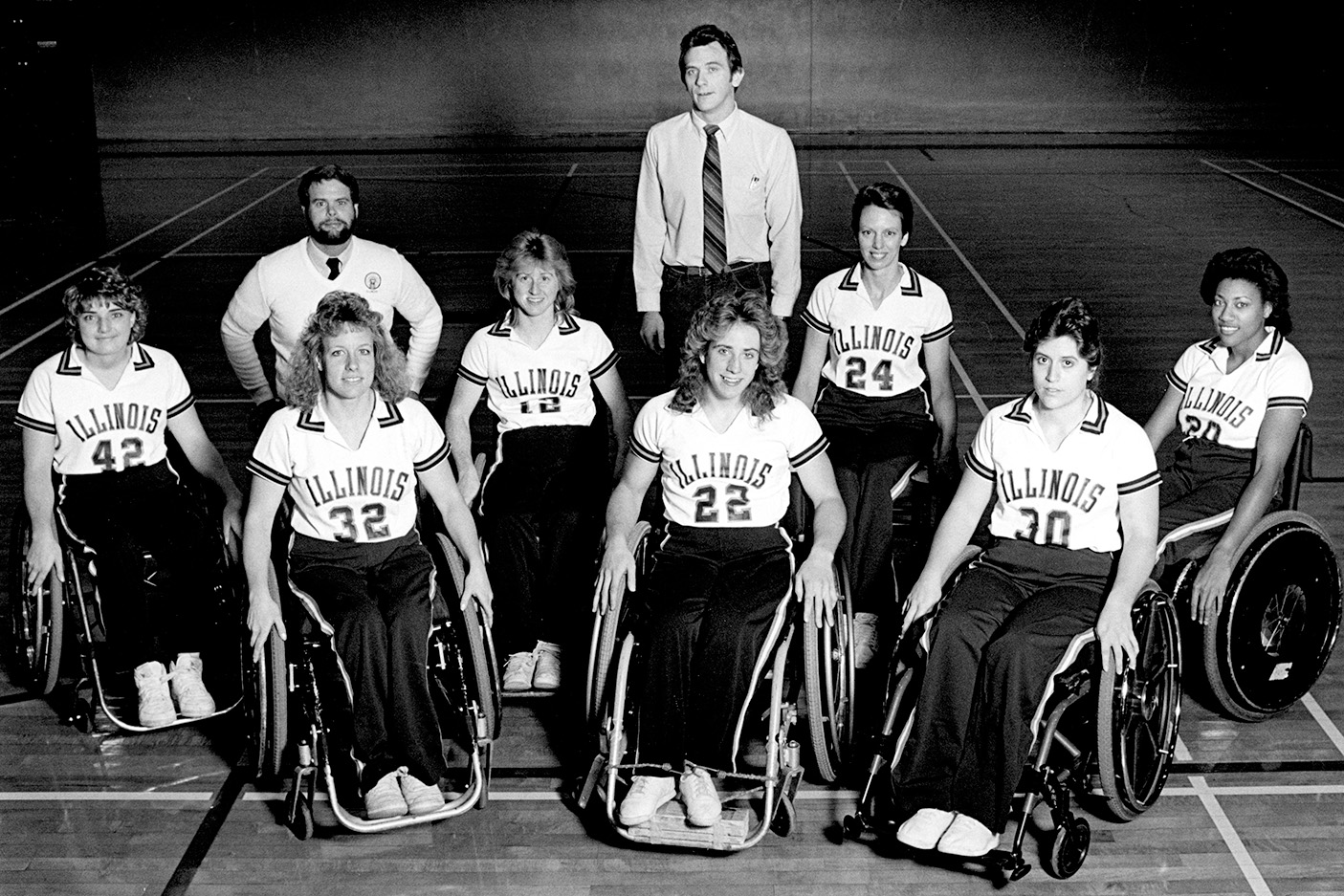
One of the most profound gifts in life is having someone see something special in you, nudge you out of your comfort zone and help celebrate your successes. Former DRES director Brad Hedrick was my wheelchair basketball coach. He was persistent when recruiting me from Milwaukee to the U. of I. After many phone calls and letters, I said yes. It was a thrill to be part of two national championship teams in women’s wheelchair basketball under his tutelage.
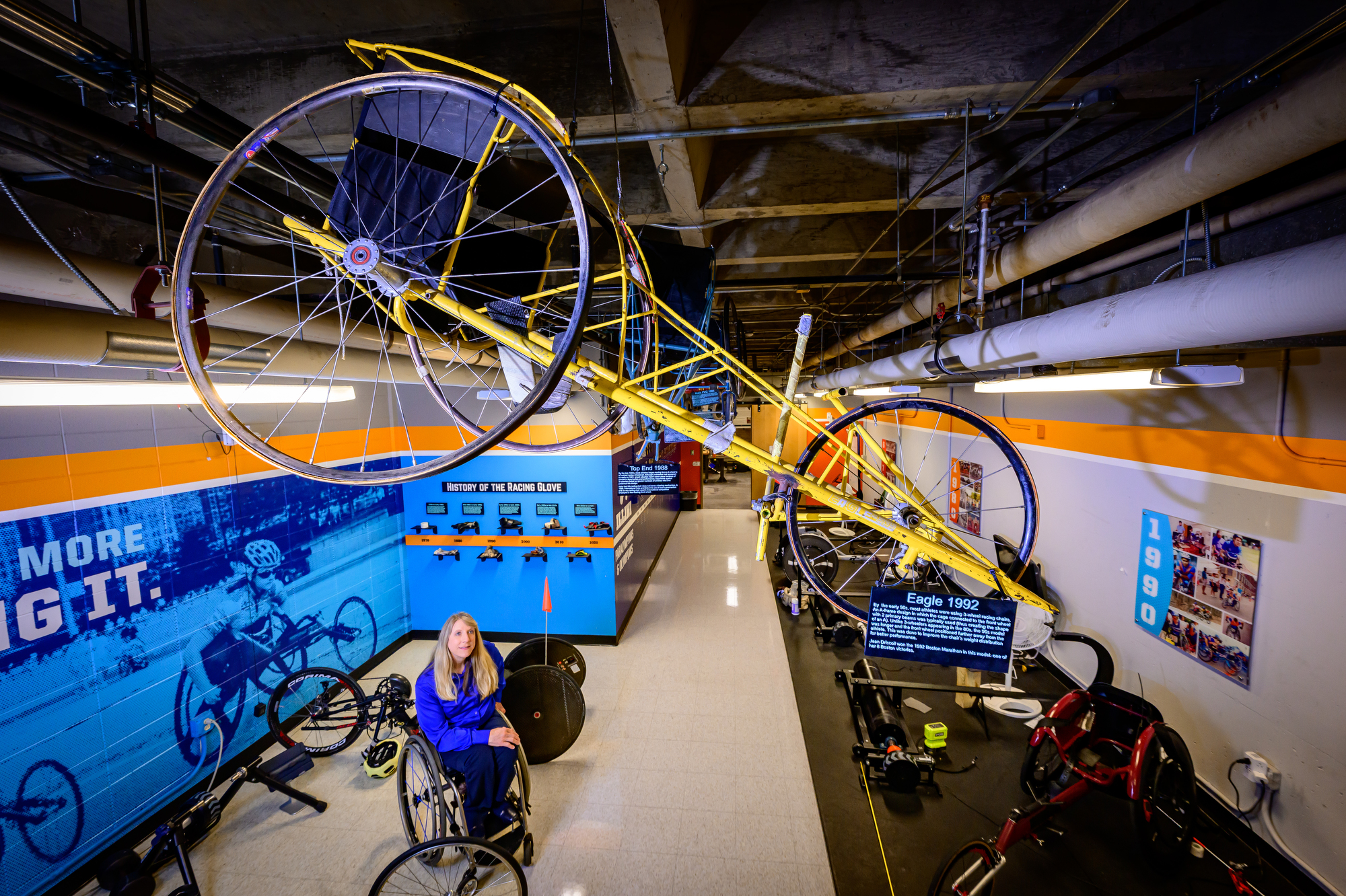
My wheelchair track and road-racing coach at Illinois, Marty Morse, was a major influence on my track career. For two years, he talked to me about doing a marathon, 26.2 miles. To appease him, I finally said yes, agreeing to do just one. My finishing time in the Chicago Marathon in 1989 was fast enough that I qualified for the Boston Marathon the following spring. I didn’t want to do it, but Morse convinced me otherwise. I ended up breaking the course record and world-best times in Boston not only that year, but five of the eight times I won the event during my athletic career. Olympic and Paralympic medals would come later as well.
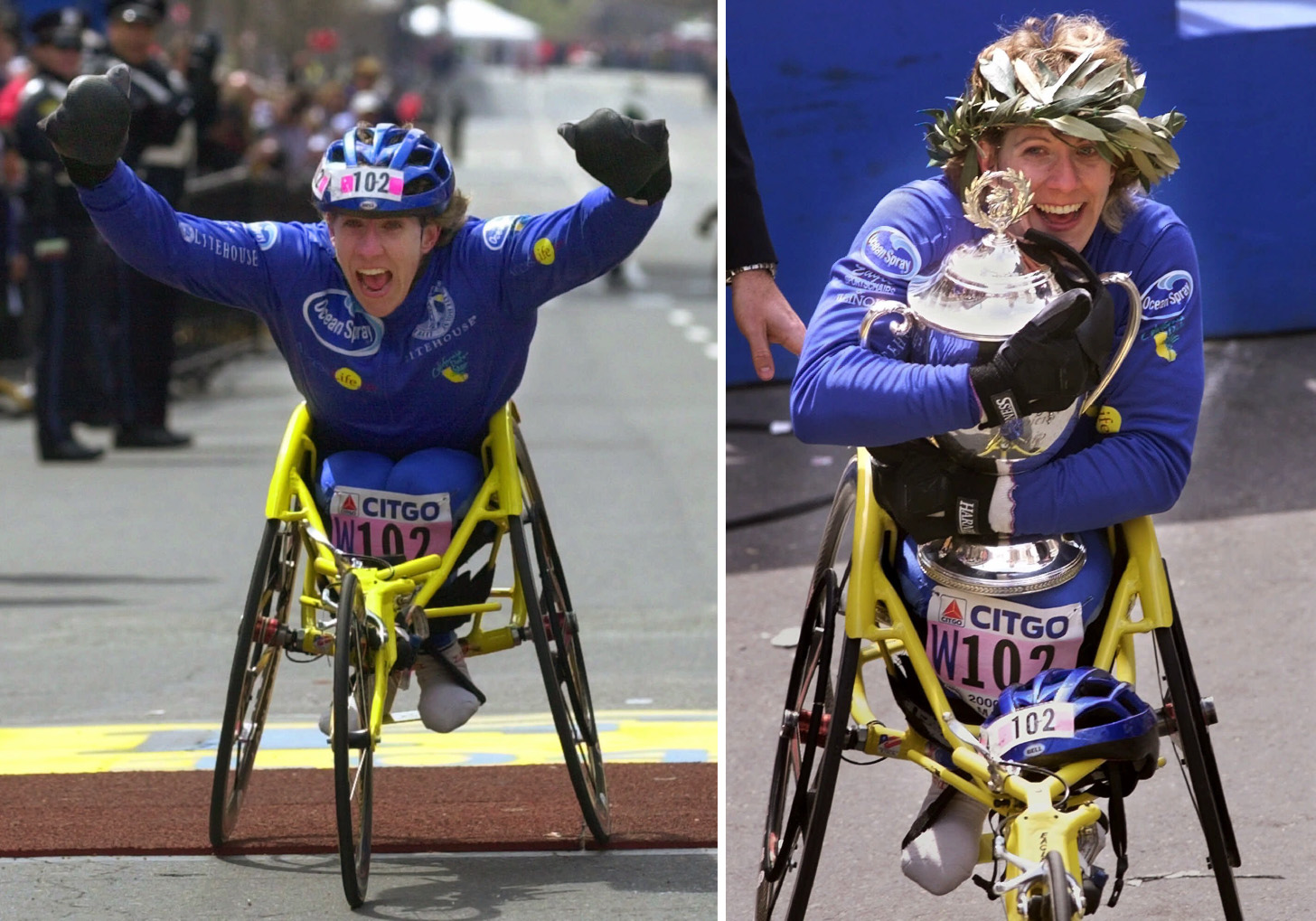
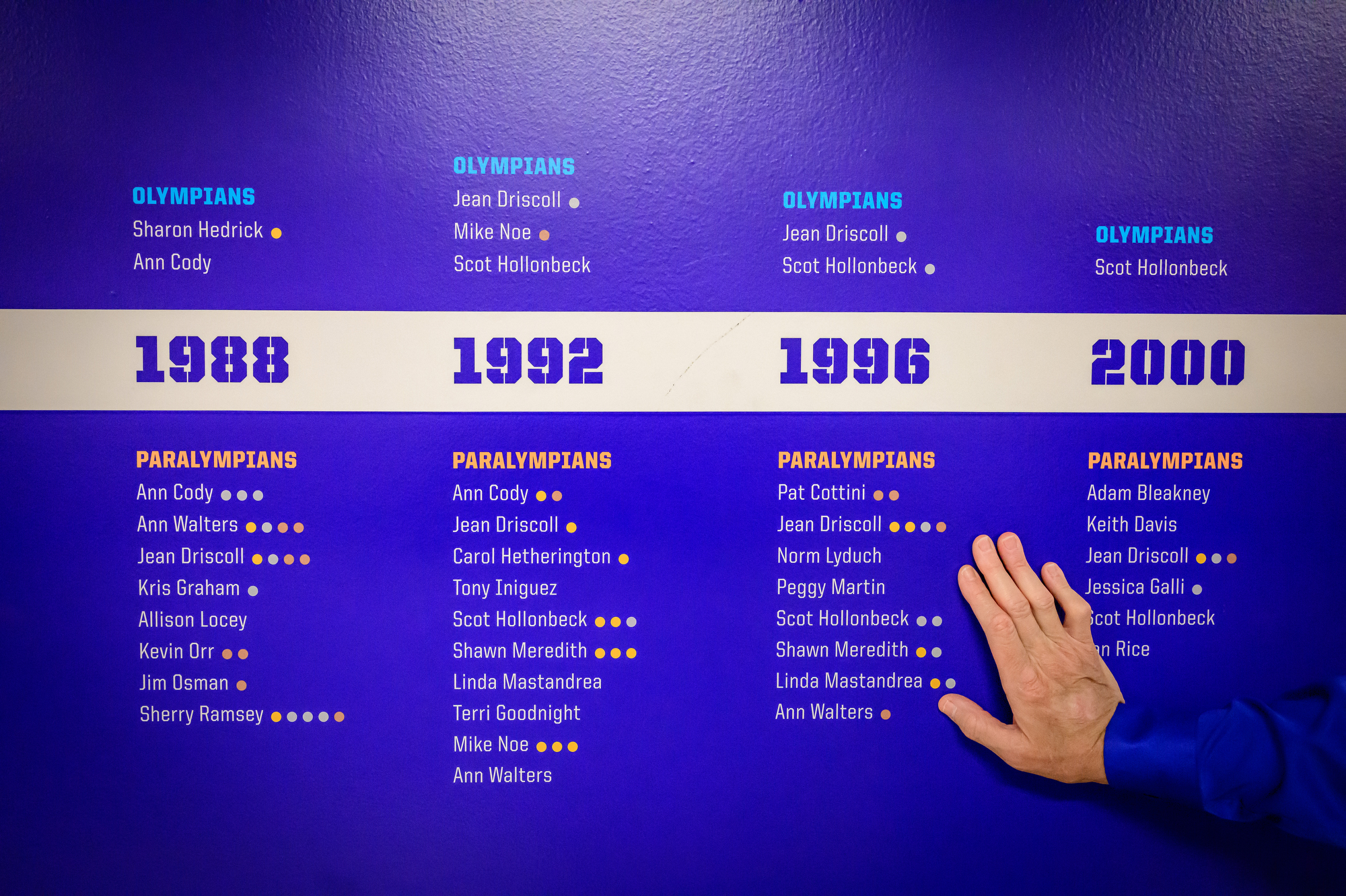
My final marathon was during the 2000 Sydney Paralympic Games, and I received the last gold medal before the closing ceremonies. It was a glorious career, but what lay ahead?
In late 2005, Sara Kelley, the chief advancement officer in the College of Applied Health Sciences, called me to share that a development position was available in AHS. I declined her offer to apply at first, but changed my mind about six weeks later, submitting a cover letter and resume.
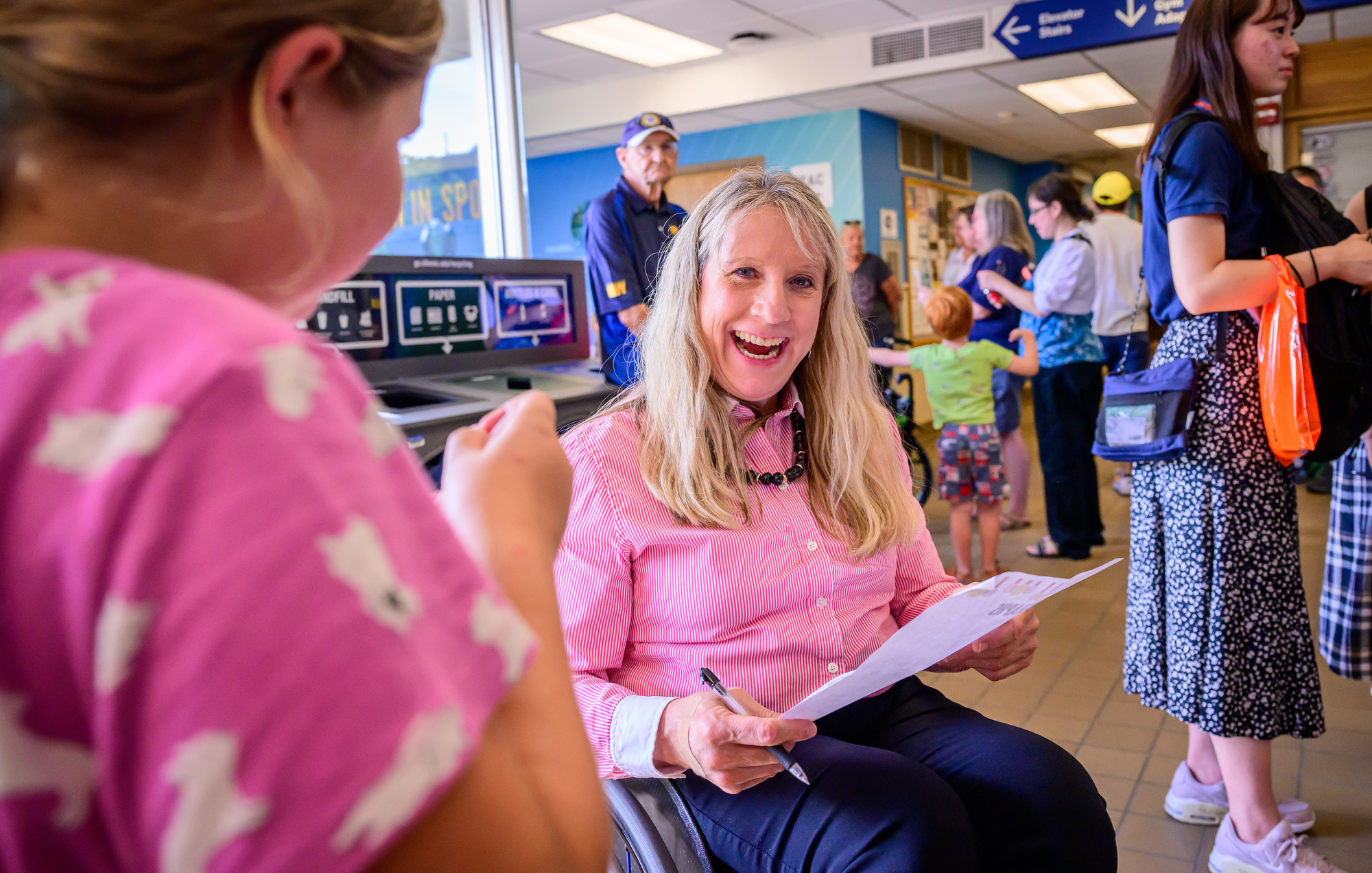
My career in fundraising began in early 2006. The learning curve was steep and, in those early months, I remember staring at the phone for hours, working up the courage to call alumni, donors and friends to schedule meetings to discuss their philanthropic interests.
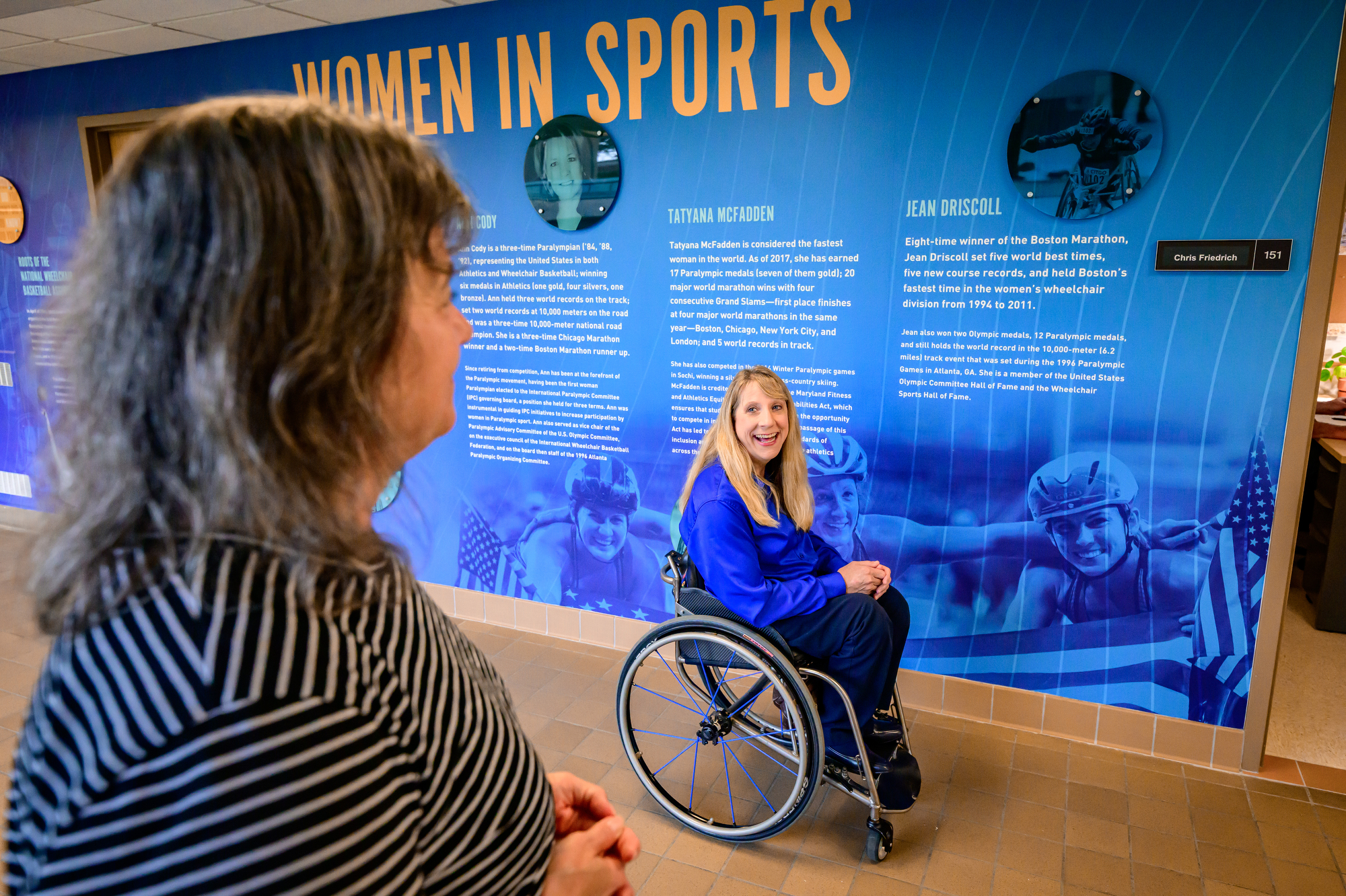
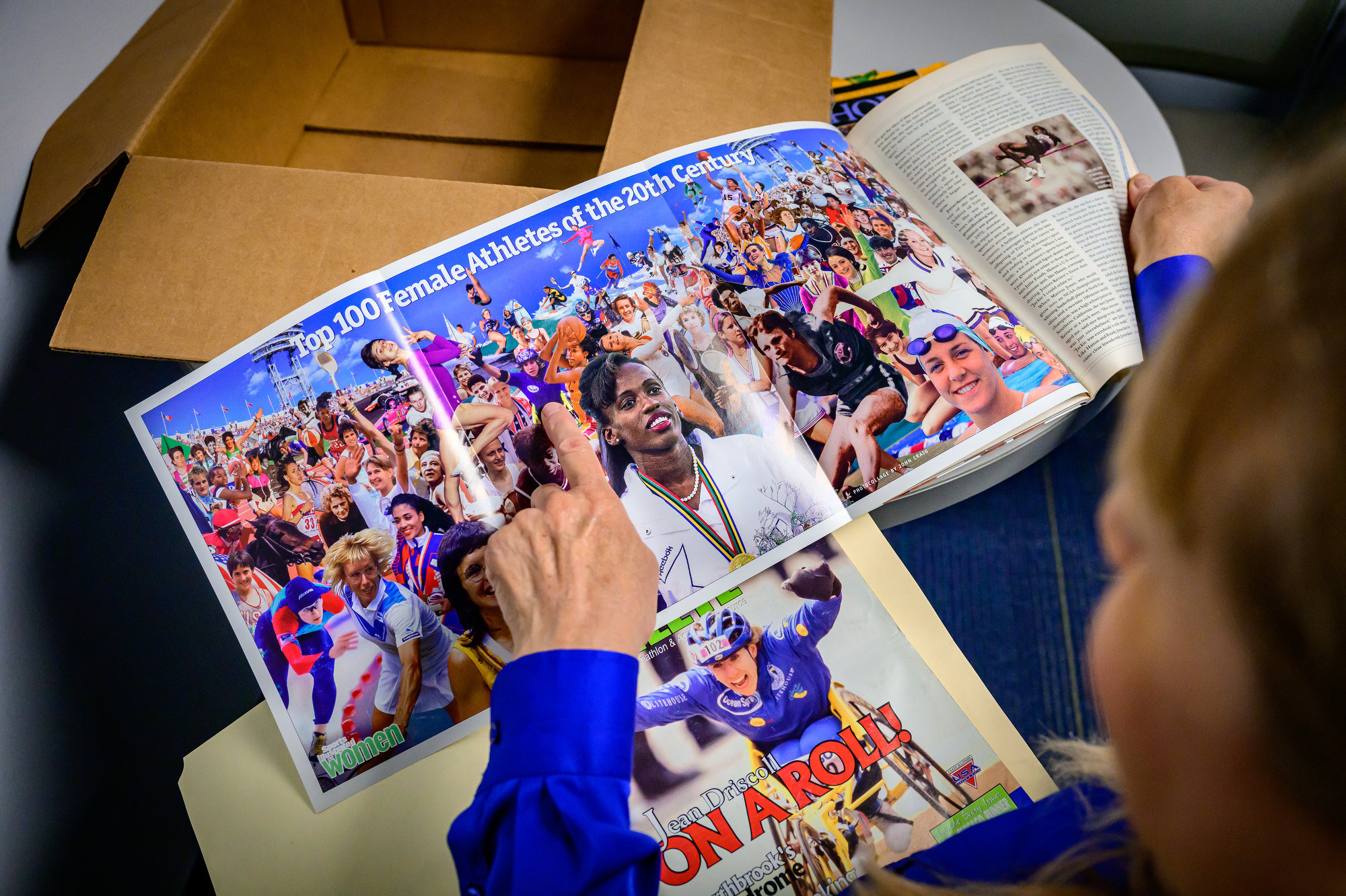
More than 20 years have passed since then, and I now have had the privilege of meeting hundreds of kind, generous and visionary individuals who support students, faculty, programs, facilities and higher education in general. Some of these relationships have developed into lifelong friendships, and I have learned a great deal from them. As I retire from Illinois, the gratitude I feel as a part of its family is immeasurable. Thank you, my dear alma mater, for the people, opportunities and experiences that have forever changed my life.
Editor’s notes:
Driscoll recently retired from her post as assistant dean for advancement at the College of Applied Health Sciences, a role she held since 2020. Her next adventure will be as a fundraiser for the Foundation for Barnes-Jewish Hospital in St. Louis.
Subscribe to Behind the Scenes for short blog posts, photos and videos from Illinois faculty, researchers, students and staff about their work and lives. Send an email with “SUBSCRIBE BTS” in the subject line.