Science and Technology
Categories
Not sure where to start? Choose a topic below.
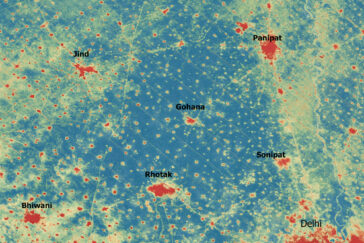
New AI-assisted climate study reveals what urban heat really feels like
Urban heat islands may not be as extreme in temperature and variability as some surface-temperature-based maps suggest.

Team looking to tap underground ‘thermal batteries’ to cool AI Data centers and save water
Researchers propose aquifer-based cooling and water supply option to ease environmental stress stemming from AI data centers in the U.S.
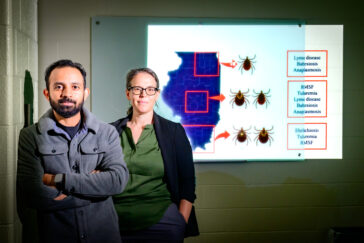
Study: Tickborne diseases reported every month of the year and in every Illinois county
Human cases of tickborne disease are on the rise in Illinois, a new study finds. Dogs are also affected.
Whole-food plant meal fails to boost post-workout muscle gains, study finds
Team tests whether a whole-food plant-based meal boosts post-strength-training muscle rebuilding more than a highly processed, nutrient-matched shake.

What have decades of eradication efforts taught us about the New World screwworm?
Thanks to years of basic science research, we already know how to stop the New World screwworm, says U. of I. entomology professor May Berenbaum.

Global rice production nearly doubled despite climate change, driven largely by human management
Rice production nearly doubled in the past half-decade, despite the negative impacts of climate change.
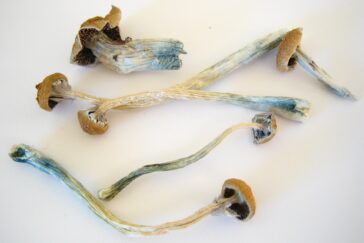
Study: Millions in the US report past-year psilocybin use
More than 8 million people in the U.S. reported using psilocybin in the past year, a new analysis reveals.
Shiga-producing E. coli infections becoming more resistant to antibiotics, study finds
Antibiotic resistance is on the rise among E. coli that produce the Shiga toxin.
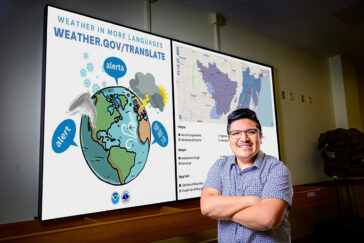
Researchers advance first-of-its-kind AI tool for translating life-saving weather warnings across the US
A new study led by Joseph Trujillo-Falcón documents how artificial intelligence is used to translate life-saving weather forecasts and alerts into non-English languages.
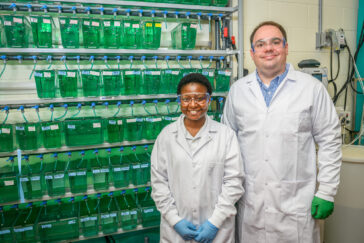
One simple trick makes zebrafish a better model for microbiome research
A new advance in animal husbandry involving a popular aquarium fish should speed the pace of microbiome research, scientists report.
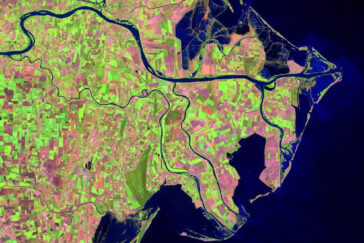
New study provides rule of thumb to estimate land sustainability in river deltas
A new study finds that the well-established Hack’s law may help engineers control water flow and reduce flood risks along river deltas.
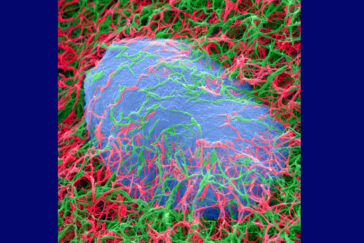
More structural protein can make tumors softer, the inverse of how lab tumors are made, study finds
Higher levels of the structural proteins collagen and fibrin around a tumor counterintuitively make the tissue softer — the opposite of conventional thinking.